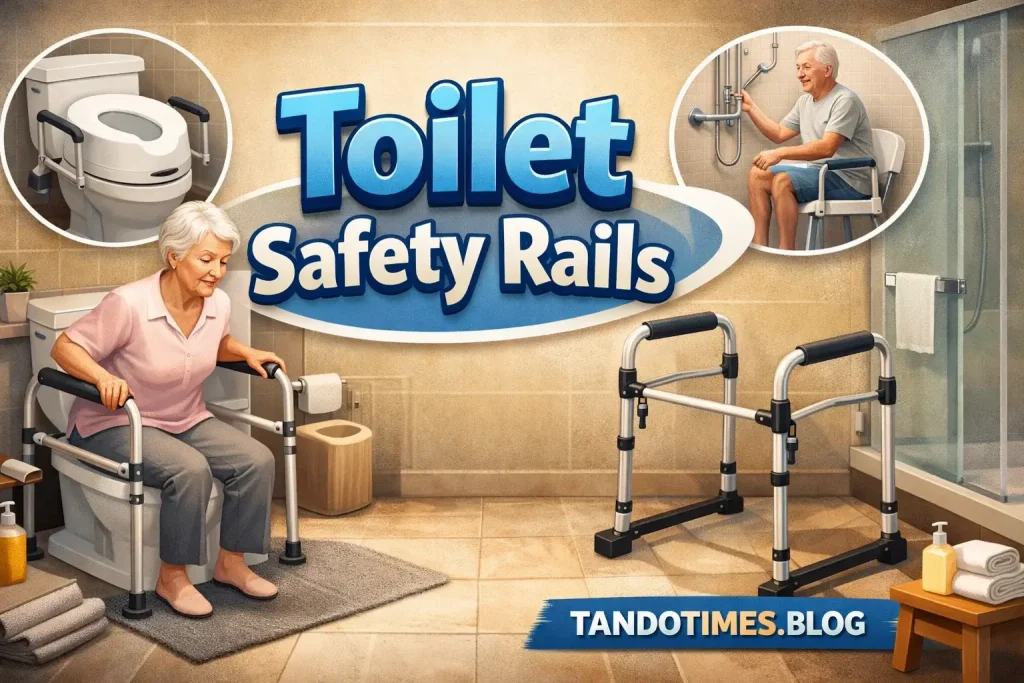
Bathroom safety is a critical concern for aging individuals and caregivers alike. As mobility decreases with age, routine activities such as using the toilet can become physically demanding and even dangerous. These safety rails provide vital support, helping seniors maintain independence while reducing the risk of slips, falls, and injuries. Choosing the right toilet safety rails requires careful consideration of physical needs, bathroom layout, comfort, and long-term usability. This guide walks you through every essential factor so you can make a confident, well-informed decision.
The Importance of Bathroom Safety in the Elderly
The bathroom is one of the most accident-prone areas in any home, especially for older adults. Wet surfaces, limited space, and awkward movements significantly increase the risk of falls. For elderly individuals, a single fall can lead to serious injuries, prolonged recovery, or permanent loss of independence. This makes proactive bathroom safety planning not just beneficial, but necessary.
As people age, muscle strength, balance, and joint flexibility often decline. Conditions such as arthritis, osteoporosis, Parkinson’s disease, or post-surgery recovery can make sitting down and standing up from the toilet extremely challenging. Without proper support, seniors may rely on unstable fixtures like towel bars or sinks, which are not designed to bear body weight. These rails offer a secure alternative that supports natural movement while minimizing strain.
Beyond physical safety, bathroom accessibility also affects emotional well-being. When seniors feel unsafe using the toilet, they may limit fluid intake or avoid using the bathroom frequently. This can lead to dehydration, urinary tract infections, and increased anxiety. Installing appropriate toilet safety rails restores confidence, dignity, and comfort, allowing elderly users to maintain daily routines without fear.
What Are Toilet Safety Rails?
Toilet safety rails are assistive devices designed to provide support and stability when sitting down on or standing up from the toilet. They typically consist of sturdy metal or reinforced frames with armrests positioned on one or both sides of the toilet. These rails are engineered to handle significant weight while offering a secure grip surface.
Unlike permanent grab bars mounted on walls, these are often attached directly to the toilet or rest on the floor around it. This design makes them accessible for homes where wall installation is not possible or where temporary support is needed. Some models are freestanding, while others are clamped under the toilet seat or bolted to the floor for added stability.
These rails are widely used in private homes, assisted living facilities, and rehabilitation settings. They are suitable for elderly users, individuals with disabilities, and anyone recovering from surgery. By supporting natural arm movement, these rails reduce pressure on knees and hips, making toilet use safer and more comfortable.
Main Things to Be Taken Into Consideration When Selecting Toilet Safety Rails
Choosing the right toilet rails is not a one-size-fits-all decision. Every user has unique physical abilities, and every bathroom has different spatial limitations. The goal is to select rails that provide maximum safety without compromising comfort or usability. Several critical factors must be evaluated to ensure the chosen product meets both current and future needs.
You should consider the user’s strength, balance, and range of motion. The rails must align with how the individual naturally moves, offering support where it is most needed. Bathroom layout also plays a significant role, as improper fit can limit accessibility or create additional hazards. Long-term durability, ease of cleaning, and adaptability should also factor into your decision.
The following sections break down the most important considerations in detail, helping you assess each aspect with clarity and confidence.
Stability and Capacity of Weight
Stability is the most critical factor when choosing toilet rails for safety. The rails must remain firm and unmoving during use, even when the user places their full body weight on them. Any wobbling or shifting can undermine confidence and increase the risk of falls. High-quality rails are constructed from reinforced steel or aluminum, offering strong structural integrity.
Weight capacity varies widely between models, typically ranging from 250 to 500 pounds. It is essential to select a model that exceeds the user’s body weight to ensure long-term safety. Even if the user is lightweight, additional capacity provides a safety margin and accommodates potential caregivers who may need to assist.
Stability also depends on the installation method and floor surface. Rails that anchor to the toilet bolts or floor tend to offer greater stability than lightweight freestanding options. Rubberized feet, anti-slip pads, and cross-bracing all contribute to a secure setup. Always check manufacturer specifications and user reviews to confirm stability claims.
Installation Type
Installation type determines how the toilet safety rails are secured and how permanent the setup will be. Some rails are designed for quick, tool-free installation, while others require drilling or bolting. The right choice depends on the bathroom structure, user needs, and whether the installation is temporary or long-term.
Toilet-mounted rails attach directly under the toilet seat bolts. These are popular because they require minimal modification and provide direct support aligned with the toilet. Floor-mounted rails offer exceptional stability but require drilling into the floor, which may not be suitable for renters or tiled surfaces.
Freestanding rails are ideal for temporary use or travel. They are easy to install and remove, but they may offer less stability compared to fixed options. When choosing an installation type, consider who will install the rails, whether professional help is available, and how often adjustments may be needed.
Grip and Comfort
Comfort plays a crucial role in the usability of these safety rails. The grip surface should feel secure and comfortable in the hand, even for users with arthritis, reduced hand strength, or sensory sensitivity. Textured or padded handles help prevent slipping and reduce pressure on joints.
The diameter of the rails should allow for a natural grip. Rails that are too thin can strain the hands, while overly thick rails may be difficult to grasp. Ergonomic design ensures that the hands rest comfortably without excessive tension. Some models feature contoured armrests that support the forearms, reducing strain during movement.
Comfort also includes the height and angle of the rails. If the rails are positioned too high or too low, they may not provide effective support. Adjustable models allow customization to match the user’s posture and movement patterns, enhancing both comfort and safety.
Adjustability
Adjustability is an important feature, especially when multiple users share the same bathroom or when physical needs change over time. Adjustable safety rails can accommodate different heights, body types, and mobility levels, making them a versatile long-term solution.
Height-adjustable rails allow users to find the optimal position for leverage when standing or sitting. Width adjustability ensures proper spacing around the toilet, preventing cramped or awkward positioning. Some models also offer adjustable arm angles, which can be helpful for users with limited shoulder mobility.
Adjustable rails are particularly beneficial for individuals recovering from surgery or injury. As strength and mobility improve, the rails can be repositioned to encourage independence while still providing support. Investing in an adjustable model can reduce the need for future replacements.
Space and Bathroom Layout
Bathroom layout significantly influences the type of these safety rails you can install. Small bathrooms with limited clearance may not accommodate wide or freestanding rails. Measuring available space before purchasing is essential to avoid installation issues and ensure safe movement.
Consider the distance between the toilet and nearby walls, sinks, or cabinets. The rails should not obstruct pathways or interfere with doors. In compact bathrooms, toilet-mounted or foldable rails may be the most practical option.
You should also evaluate the flooring material and toilet shape. Uneven floors or non-standard toilet designs may require specific rail models. Taking the time to assess your bathroom layout ensures that the chosen rails integrate seamlessly into the space without creating new hazards.
The Toilet Safety Rails in Relation to Bathroom Aids
Toilet safety rails are part of a broader category of bathroom aids designed to enhance safety and accessibility. These aids often work best when used together, creating a supportive environment tailored to the user’s needs. Understanding how toilet rails fit into this system helps you make more effective choices.
For example, raised toilet seats reduce the distance a user needs to lower or lift their body, complementing the support provided by safety rails. Non-slip bath mats and shower chairs further reduce fall risk in wet areas. Wall-mounted grab bars near the toilet can offer additional support for users with severe mobility challenges.
While it provide direct assistance during toilet use, they are not a complete solution on their own. A holistic approach to bathroom safety considers all movement patterns, from entering the bathroom to exiting safely. Coordinating toilet safety rails with other aids ensures consistent support throughout the space.
Safe Use and Maintenance Tips
Proper use and maintenance of these safety rails are essential for long-term safety. Even the most durable rails can become hazardous if not used correctly or maintained regularly. Users should be instructed on proper hand placement and movement techniques to avoid strain or imbalance.
Regular inspections help identify loose bolts, worn grips, or structural damage. Tightening connections and replacing worn components ensures continued stability. Cleaning the rails with mild, non-abrasive cleaners prevents buildup of moisture and bacteria without damaging materials.
It is also important to reassess the user’s needs periodically. Changes in mobility, weight, or health conditions may require adjustments or upgrades. Maintaining open communication with caregivers or healthcare providers helps ensure that the safety setup remains effective over time.
Conclusion
Choosing the right toilet safety rails is a vital step in creating a safer, more accessible bathroom for elderly users. These devices provide essential support, reduce fall risk, and promote independence during one of the most frequent daily activities. By carefully evaluating stability, installation type, comfort, adjustability, and bathroom layout, you can select rails that meet both immediate and long-term needs.
These safety rails are more than just assistive tools. They are confidence builders that restore dignity and peace of mind for seniors and their families. When combined with other bathroom safety aids and maintained properly, they create an environment where aging individuals can continue to live comfortably and safely at home. TANDOTIMES combines expert knowledge with real-world applications to make technology simple and actionable for all audiences.
Frequently Asked Questions – Faqs
1. Who are the users of toilet safety rails?
These are commonly used by elderly individuals, people with mobility limitations, and those recovering from surgery or injury. They are also helpful for individuals with balance issues, arthritis, or muscle weakness. Anyone who finds it difficult to sit down or stand up from the toilet can benefit from added support. These rails are suitable for both temporary and long-term use depending on individual needs.
2. Do you use safety rails?
Toilet safety rails are used when a person needs additional support during toilet transfers. They are especially useful if standing up or sitting down feels unstable or painful. Many people use them as a preventive measure to reduce fall risk, even if they are still relatively mobile. Using safety rails early can help maintain independence and prevent injuries.
3. Is any toilet compatible with toilet safety rails?
Most standard toilets are compatible with safety rails of toilet, but compatibility depends on the rail design and toilet shape. Some rails attach under the toilet seat bolts, while others are freestanding or floor-mounted. Non-standard toilets or wall-hung models may require specialized rails. Measuring and checking product specifications ensures proper fit.
4. Are grab bars substituted with toilet safety rails?
Toilet safety rails and grab bars serve different but complementary purposes. Grab bars are typically wall-mounted and provide support during movement around the bathroom. These are positioned specifically to assist with sitting and standing at the toilet. In many cases, using both together provides the highest level of safety.
5. Is there ever a need to have more safety aids in my bathroom?
Yes, additional safety aids may be necessary depending on the user’s mobility and health condition. Items such as raised toilet seats, shower chairs, non-slip mats, and handheld showerheads can enhance overall safety. A comprehensive bathroom safety setup addresses all potential risk areas. Assessing needs regularly helps determine when additional aids are required.